Published 16/10/2026
Reading time 6 min
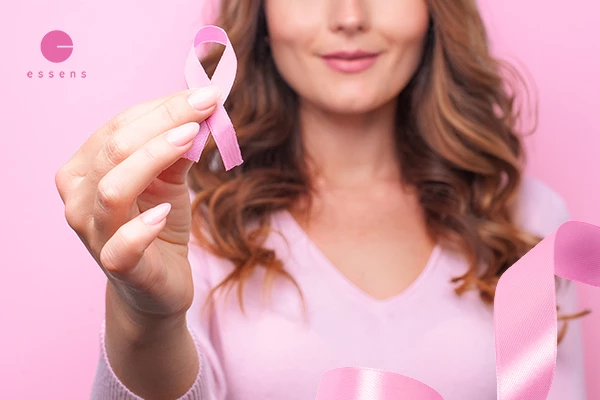
Have you ever bought a pink ribbon in October? Maybe you pinned it to your clothes, spotted a campaign, or noticed that pink ribbons were all around us throughout October. Known worldwide as Pink October, this annual initiative highlights the importance of breast cancer prevention, early detection, and support for women affected by the disease.
Breast cancer is the most common malignant disease in women worldwide, affecting millions of people every year. In 2022 alone, approximately 2.3 million women were diagnosed with breast cancer globally. You might know a mother, sister, partner, friend, or colleague who has faced this diagnosis. The key is to know your body, notice unusual changes, perform regular self-examinations, and attend recommended screenings.

Breast cancer can affect both women and men. However, the disease is very rare in men, which is why we primarily associate breast cancer with women. The risk of developing breast cancer increases with age.
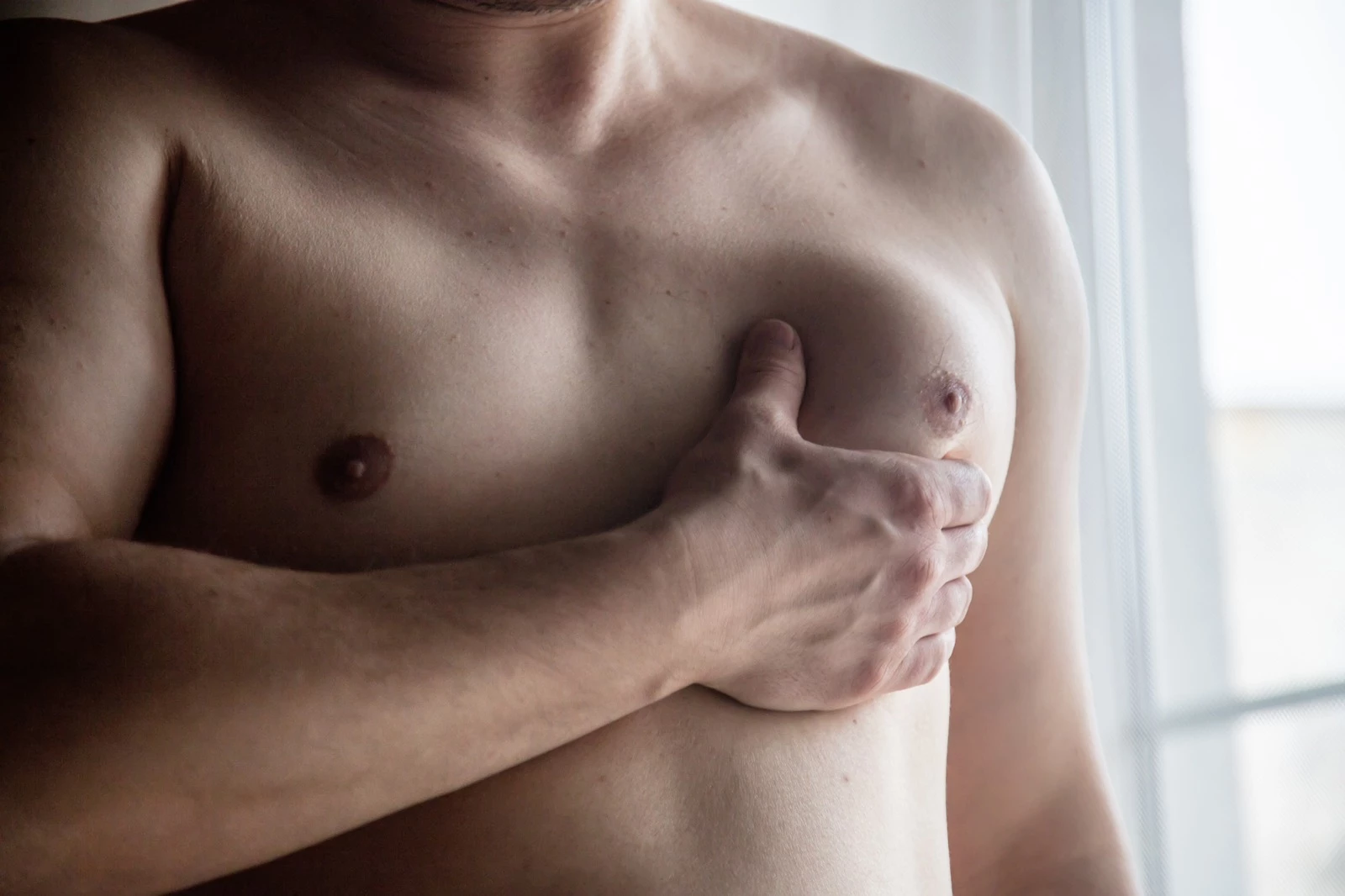
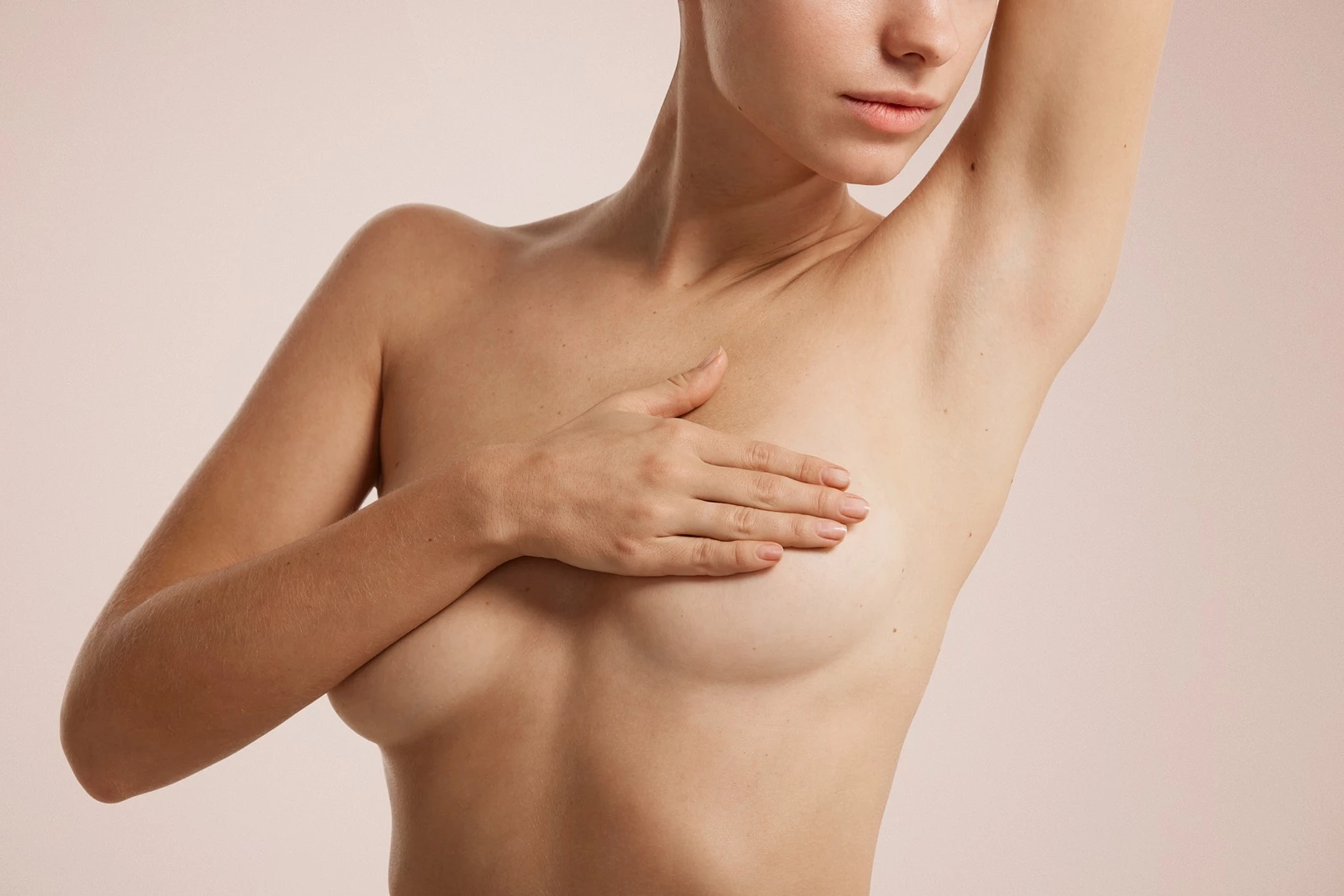
Several factors can contribute to the development of the disease, including genetic predispositions, hormonal influences, lifestyle, and other circumstances. However, the presence of a risk factor does not guarantee that someone will develop breast cancer. Similarly, the disease can occur in individuals with no known risk factors.
This is why breast self-examination is such an essential part of prevention.
It is not entirely possible to prevent breast cancer. However, there are steps we can take to influence certain risk factors while increasing the chances of detecting potential issues early.
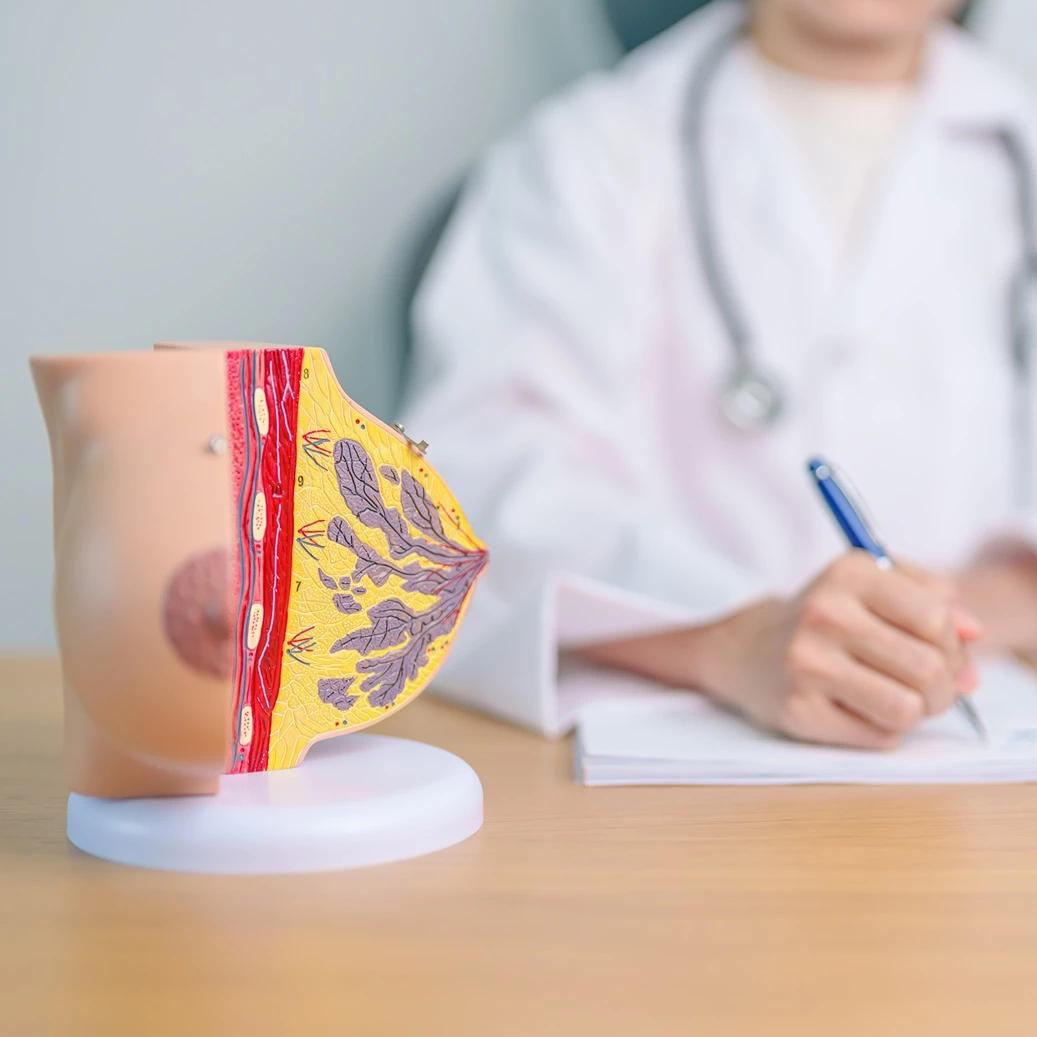
The most common symptom of the disease is a lump, swelling, or firmness in the breast. We have all heard this a hundred times, but a lump can also appear in the armpit or under the collarbone. These areas contain lymph nodes connected to the lymphatic vessels of the breast tissue. A tumor can spread through these vessels, causing swelling in areas like the armpit. Other possible symptoms include nipple discharge, inverted nipples, reddened skin, or skin that resembles an orange peel. If you notice anything new or unusual, it is best to consult a doctor. Keep in mind that a lump or other change does not automatically mean cancer.
There is a lot we can do for our bodies. Regular physical activity has the greatest impact: research shows that five hours of regular exercise per week can reduce the risk of breast cancer by up to 38%. You do not need to push yourself to athletic extremes - simply put on clothes you feel comfortable in and go for a walk, join a fitness class, or ride a bike with a friend. Every bit of movement counts.


Overall lifestyle and a strong immune system are just as important. Plenty of movement, a varied diet, and quality sleep benefit our health as a whole. Additionally, a healthy gut microbiome can help support the immune system.
Finally, we must not forget regular breast checks. It is good to know your body and understand how your breasts feel and look normally. Look out for changes that are new to you. Self-examination can help spot these changes early.
Self-examinations should be performed every month, ideally between day 5 and day 10 from the start of your period. A few days after your period ends is the ideal time. Pay close attention to lumps, firmness, redness, changes in skin texture, and discharge. Do not forget to feel your armpits and the area under your collarbone.
You know your body best. That is why it is important to recognize what is normal for you and never ignore a new or unusual change. Not every change means breast cancer, but if anything concerns you, reach out to your doctor.
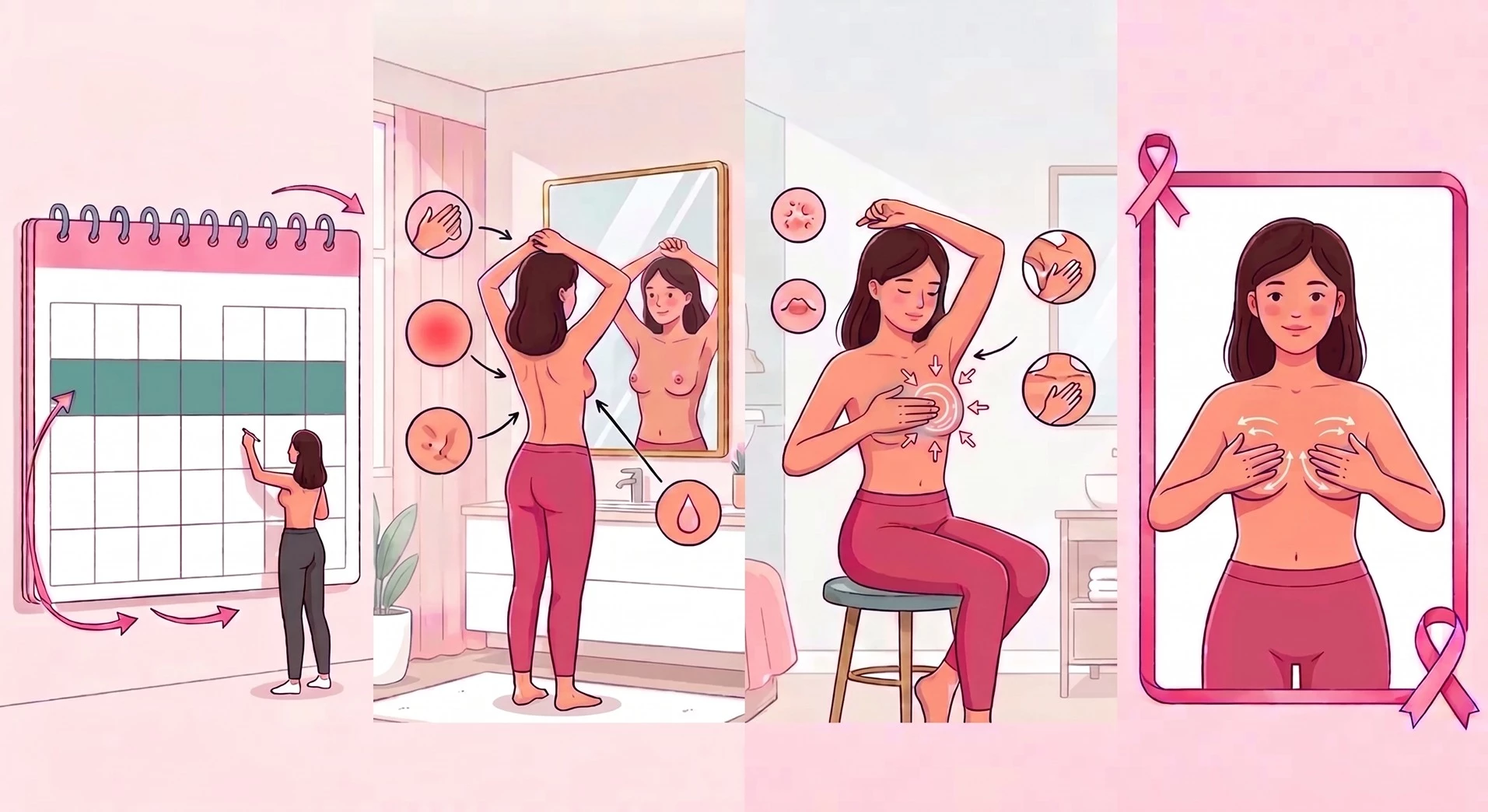
Stand in front of a mirror and inspect your breasts—first with your arms hanging loosely by your sides, then with your arms raised above your head. View them from different angles as well.
What to look for: changes in breast shape or size, skin alterations, redness, dimpling, skin puckering, bulging, changes in nipple shape or position, or nipple discharge.
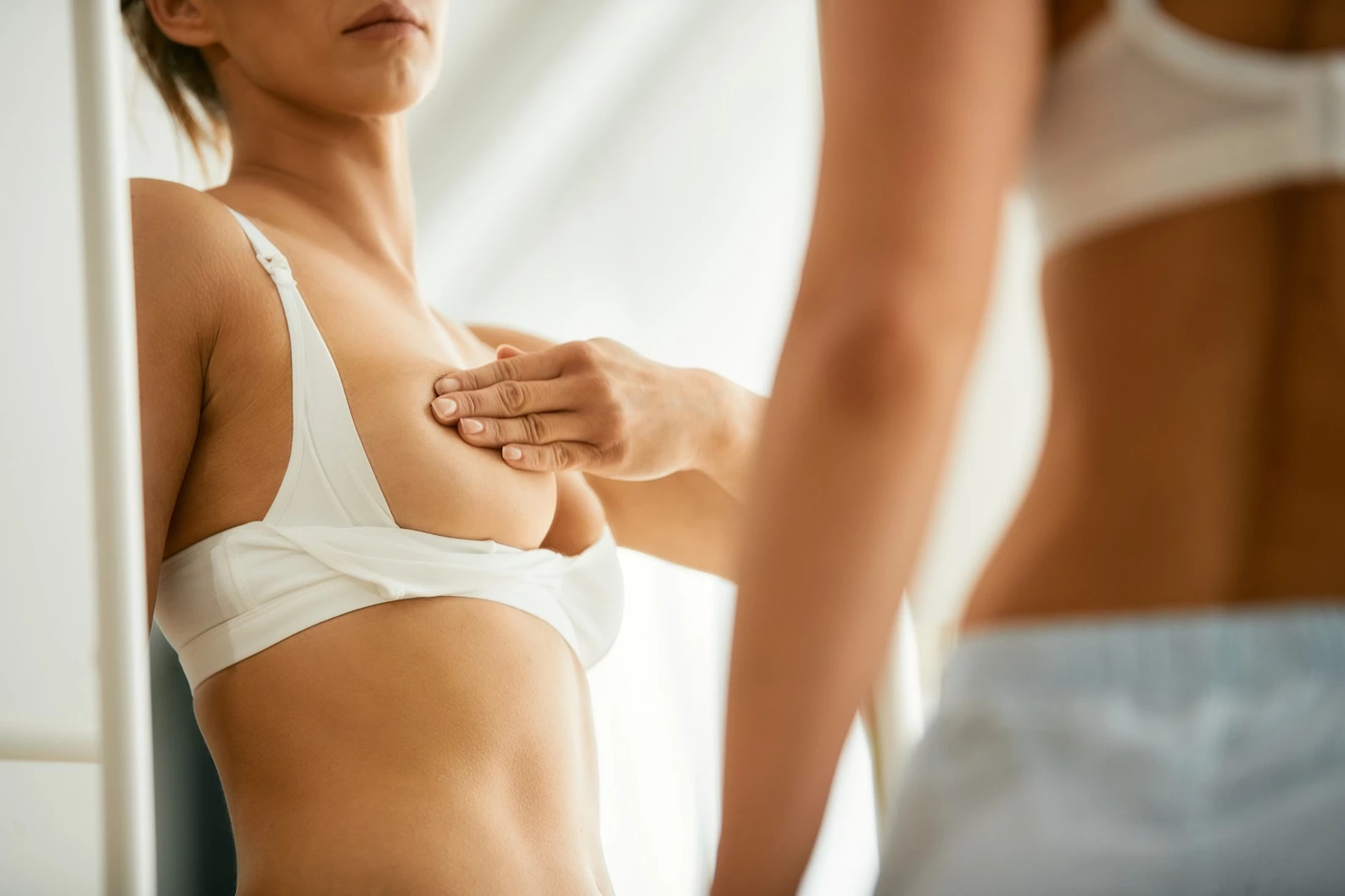
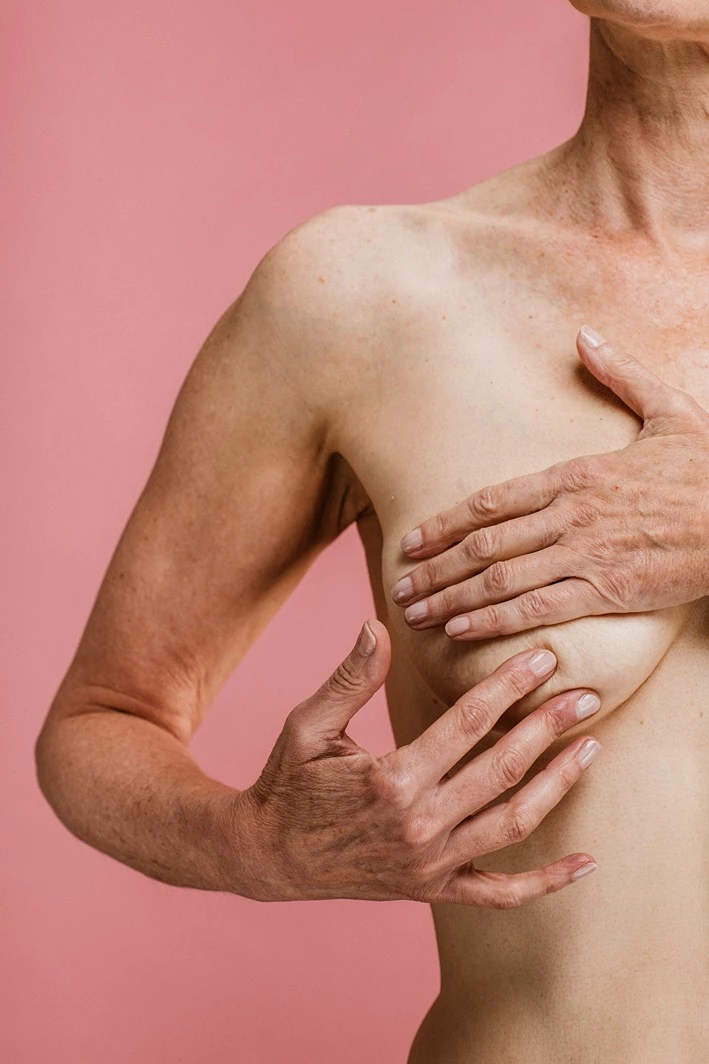
You can perform the palpation while lying down or standing up. Check your right breast using your left hand, and your left breast using your right hand.
Use the flat pads of three fingers to gently feel the entire breast using circular movements. Start with light pressure and gradually apply deeper pressure to examine the deeper layers of tissue. Work systematically so you do not miss any area. Over time, you will find the method that works best for you. Performing at least three circular motions at each spot is recommended.
During the exam, do not forget the armpit area and the region around your collarbone.
What to look for: any unevenness, bumps, or uncomfortable sensations.
Sensitivity or pain can stem from many different causes and does not necessarily indicate cancer on its own.
Finally, rub both breasts simultaneously to ensure you have not missed any spot.
It is important to perform self-examinations even if you have no symptoms. Building a regular habit of checking yourself after your period ends is ideal.
Self-examination does not replace routine medical check-ups or mammogram screenings. However, it is a great way to understand your body better and catch potential changes early. Even if you have no known risk factors, it does not mean breast cancer cannot occur. Giving your breasts regular attention makes complete sense.
Every year, Pink October reminds us that we should care for our health all year round. If you have not made breast self-examination a habit yet, try giving it a go right now after reading this article. Let`s get to know our bodies and take care of them.
Next time you see a pink ribbon in October, remember the women who have faced breast cancer. But remember yourself as well, and keep prevention in mind throughout the year. Self-care is no small detail.
Последвайте ни на Instagram @essens_official